
SFDA, Ghad, FASEH, SABER: Saudi Import Guide

This Saudi import guide separates the systems that Indian rice and spice exporters keep mixing up. For commercial food import into Saudi Arabia, the importer registers the establishment and food items on Ghad, submits clearance requests through SFDA electronic systems plus the Fasah trade platform, then prepares the documents for the exact commodity. SFDA's food-clearance guidance also says the food must comply with current technical regulations and circulars. SFDA food-clearance guidance SABER is a separate SASO conformity platform. It handles product registration, conformity certificates, shipment certificates where the product classification and technical regulation call for them. Do not assume every food shipment needs the same SABER path. Check the live HS-code record before shipment (SABER platform).
Why this Saudi import guide starts with four names
Ghad is SFDA's unified electronic system, and the food-clearance guide says the importer must register its establishment and the food items it intends to import on Ghad before importing. The authority's e-service page lists Ghad as the unified electronic system. SFDA food-clearance guidance SFDA Ghad service FASEH is SFDA's Electronic Clearance system. SFDA describes it as the system that enables importers to submit clearance requests for food and drug products. The food-product user manual shows users logging in with Ghad and selecting products registered in Ghad. SFDA FASEH service FASEH food-product user manual Fasah is the trade platform named in SFDA's August 2026 food-clearance guide for clearance requests and electronic shipment documents. Because FASEH and Fasah sound alike, ask the Saudi importer which screen handles each step for the shipment. SFDA food-clearance guidance SABER is SASO's product-conformity platform. It is not SFDA food registration. SABER platform
Start with the Saudi importer, not the Indian HS code
Ask the buyer to confirm registered business details, import activity, local contact, destination port, broker, intended use. Retail sale, food manufacturing, wholesale distribution, food service can route differently. Write the product description precisely. "Indian spices" is too broad. Record commodity, commercial or botanical name where needed, form, variety or grade, processing or treatment, packaging, origin, lot coding.
For rice, clarify type, processing method, grade, pack. For turmeric, cumin or chilli, clarify whole, crushed, powder, cleaned, treated or blended. Ask the Saudi broker to confirm the HS code for the exact product form in the current Saudi tariff and platform records. An Indian export code, an old shipment code or a website code does not decide the Saudi import classification.
Ghad readiness before production
The importer should check that establishment details are current and that the specific food products have the required records. The exporter supports this with product data, manufacturer/exporter details, composition where applicable, pack photographs, label artwork, shelf-life information, storage conditions, requested test documents. Send the same product description across specification, label, invoice, COA. Do not change a brand, ingredient, package size, processing claim or origin statement after registration without asking the importer whether the product record needs an update.
Where SABER fits, and where it does not
Do not treat SABER as a universal food certificate. First confirm the Saudi HS code and check whether the product falls under a SASO technical regulation or another SABER-managed path. SABER's official page describes paths for commercial products and products not intended for consumer display, plus product conformity certificates, self-declarations, shipment certificates. SABER platform As of 4 November 2026, SABER's homepage carried a notice that some HS codes would become subject to technical regulations within 30 days from 2 November 2026. A particular rice or spice code may or may not appear in that notice. Recheck the live platform before a new contract. SABER platform A conformity certificate can still matter for Indian agro exports, but route it correctly. Intertek's SFDA Food Consignment Certification Programme guidance lists milled rice, spices, agricultural crops from India among categories under mandatory CoC. The Saudi importer should confirm the current SFDA list, the conformity body, whether the certificate moves through FASEH or another current route. Intertek SFDA FCCP guidance
Documents that travel with the lot
SFDA's August 2026 guide lists general food-clearance documents submitted electronically via Fasah, including certificate of origin, commercial invoice, bill of lading, with health and phytosanitary certificates as applicable. It says the invoice must include product details, quantities, expiration dates, batch numbers. The guide also says a Certificate of Conformity is optional for all countries but mandatory in some cases. SFDA food-clearance guidance Use a planning checklist and mark each item required, not applicable or confirm:
- Commercial invoice: exporter, importer, product description, quantities, value, currency, origin, Incoterm, named place or port.
- Packing list: package count, net/gross weights, marks, lot references, package type.
- Bill of lading: consignee, notify party, origin/destination, cargo details consistent with the sale documents.
- Certificate of origin: prepared through the competent Indian process.
- Health certificate: if the food category and current Saudi rules require it.
- Phytosanitary certificate: if the plant product and route require it.
- Lot COA and test reports: based on the buyer's agreed quality and safety panel.
- Conformity certificate or SABER documents: only if the current classification and route require them.
- Import permit or special approval: for categories that need one.
- Product and label records: final identity, ingredients where applicable, packaging, batch coding, shelf- life details, claim evidence.
The shipment file should agree with itself: check product names, weights, lot codes, importer details, origin, expiry or production information, certificate references across every document, because one mismatch can send the buyer back to the portal or the broker before the cargo moves. If a correction is needed, agree the replacement before arrival.
A dispatch gate worth keeping
Before quoting, receive exact product form, grade, destination port, intended use. Ask the importer to confirm Saudi HS code and current SFDA/SABER requirements. Agree specification limits, test methods, documents, label data. Before production or packing, confirm approved product name, composition, pack/label details, claim evidence. Confirm the testing and sampling plan. Before dispatch, check Ghad/product-registration readiness plus current FASEH/Fasah and SABER steps. Recheck HS-code notices. Reconcile invoice, packing list, bill of lading, COA, certificates. Get written approval from the importer/broker that the document set is ready. Do not dispatch until the importer confirms it can receive the shipment and the required records, certificates, permits are in place. A quote, sample approval or previous consignment does not prove readiness for a new product, buyer or tariff classification.
Questions buyers still ask
What is the difference between Ghad and FASEH?
Ghad handles SFDA establishment and food-product registration. FASEH handles electronic clearance requests. SFDA's 2026 guidance also names Fasah for food-clearance submissions. Confirm the exact screens and task split with the Saudi importer and broker. SFDA food-clearance guidance SFDA FASEH service FASEH food- product user manual
Does every food import need a SABER certificate?
SABER requirements depend on classification and applicable technical regulations. Check the current product/HS-code record and ask the Saudi importer or conformity-assessment body which path applies. SABER platform
Which documents are always required?
There is no single universal set for all products. SFDA gives general documents and directs users to product- specific conditions. Confirm the exact shipment list with the importer and broker. SFDA food-clearance guidance
Send a Saudi-ready enquiry
Use this Saudi import guide as a starting point, then send JQ EXPORTS the exact commodity, grade, form, package, target tests, quantity, destination port, the importer's document checklist. The Saudi buyer should verify registration, conformity, shipment-clearance requirements before dispatch. This is a planning guide, not legal advice.
Sources
- SFDA Conditions and Requirements for Food Clearance: Ghad, Fasah, general documents, product- specific conditions.
- SFDA regulation page for food clearance: official regulation entry linking the August 2026 file.
- SFDA Ghad service: unified electronic system service page.
- SFDA FASEH service: electronic clearance service page.
- FASEH food-product user manual: Ghad-linked login and food-request workflow.
- SABER platform: conformity paths, certificate services, HS-code notice.
- Intertek SFDA FCCP guidance: India-specific CoC categories and conformity workflow.
Related JQ EXPORTS resources
- 1121 Steam Basmati Rice
- Spices category
- Quality assurance
- Export process
- Food safety compliance for EU/USA spices
- Request a quote
Linked sources
- https://www.sfda.gov.sa/sites/default/files/2026-08/ConditionsRequirementsFoodClearanceE.pdf
- https://saber.sa/Home/Index?culture=en-US
- https://www.sfda.gov.sa/en/eservices/unified-electronic-system-ghad
- https://www.sfda.gov.sa/en/eservices/electronic-clearance-faseh-system
- https://frcs.sfda.gov.sa/css/docs/SFDA-UsermanualfoodEN.pdf
- https://www.intertek.com/siteassets/gts/saudi-arabia/exporter-guidelines-sfda_11122024.pdf
- https://www.sfda.gov.sa/en/regulations/17763
Source Export-Grade Indian Commodities Covered in This Guide
 Featured
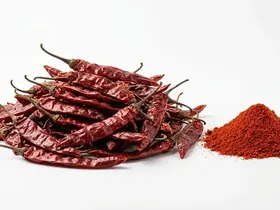
Red Chilli (Byadgi) Whole & Powder
Deep-red Byadgi chilli with 120–150 ASTA colour value and mild heat — the paprika-compatible…
 Featured
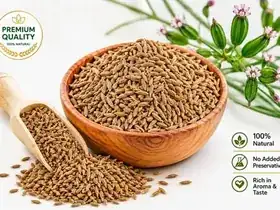
Cumin Seeds (Jeera)
Single-origin Gujarat cumin with high volatile oil (min 2.5%) — the aromatic standard for spice…
 Featured
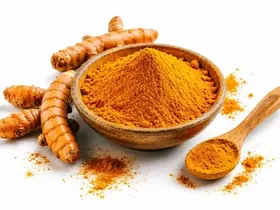
Turmeric Fingers (Salem / Nizamabad)
High-curcumin turmeric fingers (3–6% curcumin) for grinding, extraction and retail — the…
Ready to discuss a shipment?
Our export desk responds within 24 business hours.
Request a Quote WhatsApp